Identifying and Managing Blocked Drains in Bonbeach Homes
Understanding Blocked Drains in Bonbeach
Blocked drains are a common household issue that can cause significant inconvenience and damage if left untreated. In Bonbeach, Victoria, the coastal environment and local vegetation can contribute to drain blockages, making it important for homeowners to recognise the signs early and take appropriate action.
Common Causes of Blocked Drains
Several factors can lead to blocked drains around your home:
- Accumulation of Grease and Fat: Pouring cooking oils and fats down kitchen sinks can solidify and build up inside pipes.
- Hair and Soap Scum: Bathroom drains often get clogged by a combination of hair strands and soap residue.
- Tree Roots: Roots from nearby trees can infiltrate underground pipes, causing blockages and damage.
- Foreign Objects: Items accidentally flushed or washed down drains, such as wipes or sanitary products, can obstruct flow.
- Stormwater Debris: Leaves, sand, and other debris can collect in outdoor drains, especially after heavy rain.
Signs Your Drains May Be Blocked
Being alert to early warning signs can help prevent a minor blockage from turning into a major problem. Watch for:
- Slow Draining Water: Water pooling or draining slowly from sinks, showers, or baths.
- Unpleasant Odours: Foul smells emanating from drains or around your property.
- Gurgling Sounds: Strange noises coming from drains when water is flowing.
- Water Backing Up: Unexpected water overflow in sinks, toilets, or outdoor drains.
- Wet Patches or Mould: Damp areas near drains or unusual mould growth may indicate leaks or blockages.
Practical Steps to Prevent and Manage Blocked Drains
While some blockages require professional attention, there are sensible steps you can take to reduce risks and manage minor issues safely:
- Avoid Pouring Grease Down Drains: Collect cooking oils in a container and dispose of them with household waste.
- Use Drain Covers: Install strainers or hair traps in showers and sinks to catch debris.
- Regular Cleaning: Flush drains with hot water periodically to help clear build-up.
- Outdoor Drain Maintenance: Clear leaves and debris from gutter grates and stormwater drains.
- Mind What You Flush: Only flush toilet paper and human waste to prevent blockages.
When to Call a Qualified Plumbing Professional
Some drain issues are best handled by experienced plumbers to avoid damage and ensure safety. Contact a professional if you notice:
- Persistent or worsening blockages despite basic maintenance.
- Multiple drains affected simultaneously, suggesting a main line problem.
- Signs of damaged pipes, such as sinkholes or unusually wet ground near drains.
- Strong or recurring odours indicating trapped waste.
- Backflow of sewage or contaminated water.
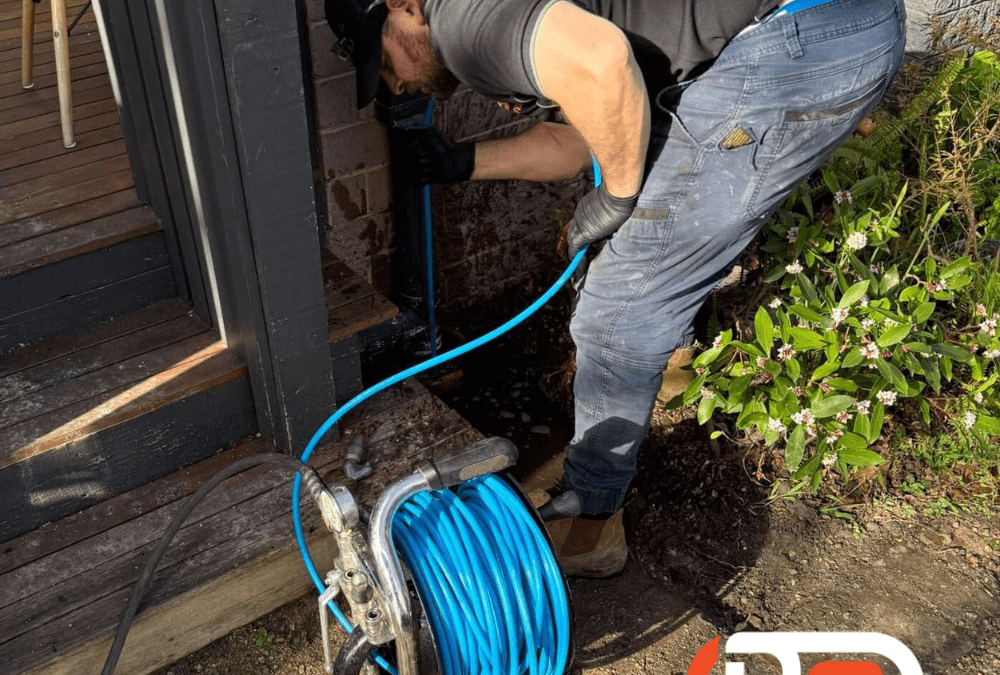
Attempting to fix serious blockages without proper tools or expertise can cause further damage. Professional plumbers have specialised equipment such as CCTV drain cameras and high-pressure water jetters to accurately diagnose and clear blockages safely.
Frequently Asked Questions
Can I use chemical drain cleaners to fix blockages?
Chemical cleaners may provide temporary relief but can damage pipes and harm the environment if overused. It’s safer to seek professional advice for persistent problems.
How often should I have my drains professionally inspected?
Regular inspections every few years can help prevent major issues, especially if you live in an older home or near large trees.
Are blocked drains covered by home insurance?
Coverage varies between policies. It’s best to check with your insurer about what is included regarding plumbing issues.
Take Action to Protect Your Home’s Plumbing
Blocked drains can disrupt daily life and lead to costly repairs if neglected. By recognising common causes and early signs, you can take practical steps to keep your drains clear. However, when in doubt, calling a qualified plumbing professional ensures the problem is handled safely and effectively.
If you’re experiencing drain issues or want to prevent future blockages in your Bonbeach home, consider booking a service with Den Services. Our experienced team can provide reliable solutions tailored to your needs.